Halal Food Catering – Serving Every Guest with Integrity, Inclusivity, and Flavor
In today’s diverse event landscape, choosing Halal Food Catering is more than just a dietary decisio it’s a powerful statement of inclusivity, quality, and respect. A professional halal caterer ensures that every meal is prepared in a halal-certified kitchen, free from pork, alcohol, and cross-contamination, allowing all guests regardless of religious background to dine together confidently. By selecting halal catering, hosts uphold ethical food standards while delivering delicious, thoughtfully curated menus for corporate events, weddings, and social gatherings.
What “Halal Food Catering” Really Means
Halal is an Arabic term meaning “permitted” or “lawful,” and when it comes to food catering, it implies strict adherence to Islamic dietary laws. In practice, this means:
-
Sourcing meats from halal-certified suppliers and ensuring animals are slaughtered according to halal methods.
-
Avoiding forbidden items like pork, alcohol, or ingredients derived from non-halal sources.
-
Maintaining dedicated cooking utensils, pans, and surfaces to prevent cross-contamination.
-
Upholding high standards of hygiene, freshness, and ingredient quality throughout food preparation.
When these standards are respected, hosts can serve meals without leaving any guest excluded creating an atmosphere where everyone eats comfortably and equally.
Why Choose Halal Catering for Your Event
1. Inclusivity for All Guests
When you serve halal-certified meals, you remove dietary barriers. Guests from Muslim communities, those observing specific dietary practices, or anyone concerned about ingredient sourcing all dine with confidence.
2. High Standards of Quality and Hygiene
Halal cuisine isn’t simply about avoiding certain foods it often correlates with rigorous sourcing, sanitation, and meal preparation standards. These standards result in fresher ingredients, cleaner cooking practices, and better‐tasting dishes.
3. Ethical and Sustainable Food Practices
Halal principles emphasize ethical treatment of animals and respectful consumption. Many halal caterers extend this ethos by choosing sustainable produce, reducing additives and preservatives, and supporting responsible sourcing. This aligns with modern demands for transparent food production and eco-friendly catering.
4. Versatility in Menu and Style
Halal catering is not limited to one type of cooking or cuisine. Whether you want local Southeast Asian flavours, Western or Mediterranean menus, vegan/vegetarian options, or themed high-tea spreads, halal caterers provide versatile solutions that suit the event’s style and guest profile.
Types of Events Suited to Halal Food Catering
-
Corporate Functions & Buffets: For large gatherings, training sessions, seminars or business lunches, halal catering delivers professionalism and ensures all staff feel included.
-
Weddings & Celebrations: Halal menus for weddings offer elegance, customisation and respect for tradition while still appealing to international guests.
-
Festive and Religious Gatherings: Events such as Eid, Hari Raya, or multicultural community functions often choose halal catering as a natural fit.
-
Private Functions and Small Gatherings: From birthday parties to intimate brunches, halal catering offers liquidity in menu size, execution style and budget.
What to Look for in a Halal Caterer
To ensure your event is well-served by a halal caterer, consider these key criteria:
-
Valid Halal Certification: Confirm that the caterer is certified by a recognised Islamic authority, and their kitchen processes are compliant.
-
Customisable Menu Options: Look for flexibility in menu choices meat lovers, vegetarians, vegans, kids’ options that all carry the halal mark.
-
Quality Presentation & Service: The best caterers don’t just serve halal meals they package, present and serve them with style.
-
Clear Pricing and Transparent Packages: Whether per-person or dish-based, pricing should be clear with no hidden charges.
-
Reliable Logistics and Delivery: On-time delivery, proper serving temperature, set-up and clean-up services matter greatly for smooth service.
Typical Components of Halal Food Catering
A full-service halal catering arrangement may include:
-
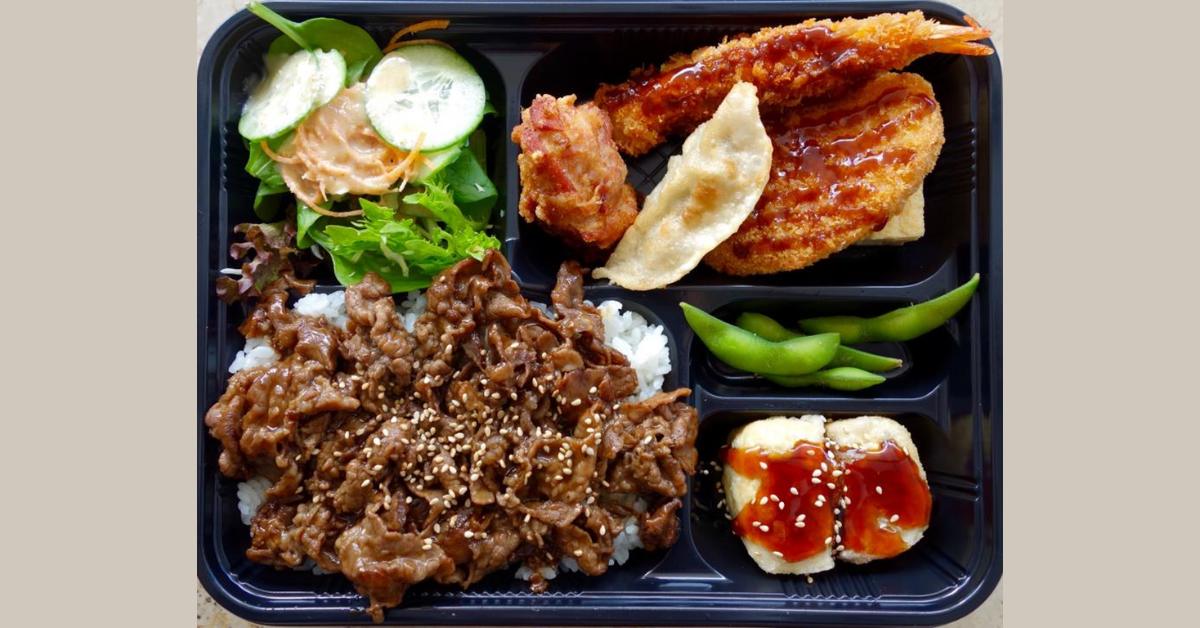
Buffet setup or individually-boxed meals/bento sets.
-
Starter dishes and appetisers tailored to the event theme.
-
Main courses featuring halal-certified proteins (chicken, beef, fish) or vegetarian alternatives.
-
Side dishes and salads that complement the main.
-
Desserts and beverages, all prepared free from alcohol and non-halal ingredients.
-
Serving staff, cutlery, plates, table settings and potentially event set up/clean up services.
-
Delivery, logistic handling and last-minute adjustments for guest numbers or dietary needs.
Crafting a Memorable Halal Catering Experience
To maximise the success of your halal catering:
-
Align the menu with your event theme local flavours, fusion cuisine or global appeal.
-
Offer variety so guests with different tastes and dietary requirements feel catered for.
-
Timing matters: ensure meals arrive fresh, in correct quantities, and hot (or cold) as required.
-
Feedback loop: After the event, gather guest feedback to refine future menus and service.
-
Personal touches: Adding signature dishes, interactive stations or thematic presentation elevates the dining experience.
Trends and Innovations in Halal Catering
The halal catering industry is innovating rapidly, reflecting changing consumer tastes:
-
Plant-based halal menus are gaining popularity, offering vegan/vegetarian options within halal certification.
-
Sustainable packaging and local sourcing are becoming standard for caterers mixing halal regulation with eco-conscious practices.
-
Premium themed halal menus—such as gourmet high-tea, fusion cuisine or luxury buffets are making halal catering a high‐end choice.
-
Digital ordering and streamlined logistics make planning easier menu previews, dietary filters, online form submissions help streamline the process.
The Business Case for Halal Catering
For organisations, weddings or social hosts, halal catering is a strong strategic choice:
-
Boosts guest satisfaction and reduces the risk of excluding anyone due to dietary preferences.
-
Enhances brand reputation by demonstrating cultural awareness, inclusivity and high service standards.
-
Simplifies dietary planning no need to separate ‘halal’ vs ‘non-halal’ streams, uniform menu for all.
-
Often opens additional markets or guest segments where halal certification is a requirement or preference.
Conclusion
Halal food catering is not simply about compliance with dietary laws it’s about delivering excellence, inclusivity and integrity in every dish and service moment. Whether you’re planning a corporate summit, a wedding banquet or an intimate gathering, choosing a certified halal caterer ensures that every guest can dine with confidence, enjoy with gusto and feel included.
In today’s multicultural and globalised environment, food is more than sustenance it’s a bridge that connects diverse people, cultures and values. By selecting high-quality halal catering, you create an event where no one is second-class, where flavour thrives and respect underpins every plate. In that space, hosting becomes joyful, food becomes meaningful and every guest leaves with satisfaction not just with a meal but with a memory.