The Role of Food in Building Cultural Identity
Food is not just a source of sustenance; it can also be a powerful tool for building and preserving cultural identity. The dishes we eat, the ingredients we use, and the way we prepare our meals are all reflections of our cultural heritage. Food has the ability to connect us to our roots, to our ancestors, and to our shared history. In this article, we will explore the ways in which food plays a crucial role in shaping our cultural identity.
History of Food and Cultural Identity
Throughout history, food has been an integral part of cultural identity. Different regions of the world have developed unique cuisines based on the availability of local ingredients, the climate, and the traditions of the people who live there. These traditional dishes are often passed down from generation to generation, becoming a link to the past and a way of preserving cultural heritage.
Diversity and Fusion in Food
With globalization and increased migration, culinary traditions are now more diverse than ever. People from different cultures are sharing their recipes and cooking techniques, leading to a fusion of cuisines that reflects the multicultural societies we live in. This fusion of food traditions can create new and exciting dishes that celebrate diversity while also preserving cultural authenticity.
Symbolism of Food
Food is often laden with symbolism and meaning. Certain dishes may be associated with religious ceremonies, holidays, or special occasions that are unique to a particular culture. For example, the mooncakes eaten during the Mid-Autumn Festival in China symbolize unity and togetherness, while the red eggs served during a Taiwanese baby’s first month celebration symbolize good luck and prosperity.
Food as a Social Connector
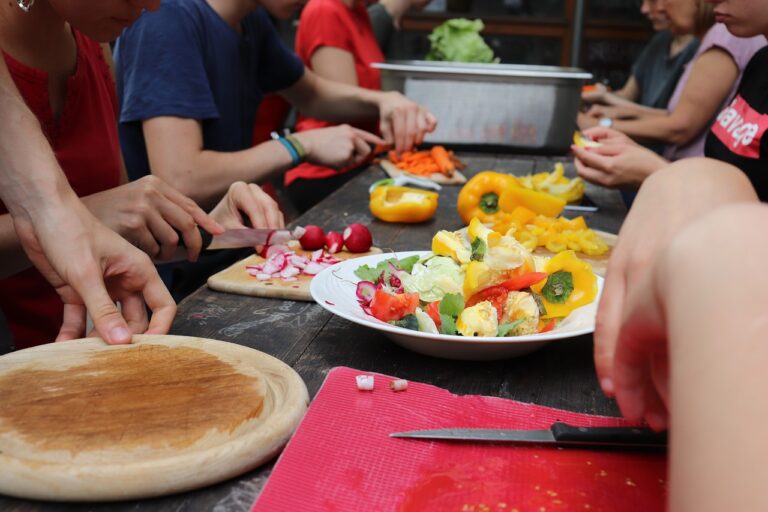
Food plays a crucial role in bringing people together. Sharing a meal is a universal way of building relationships and fostering connections with others. Whether it’s a family dinner, a community potluck, or a traditional feast, food has the power to create bonds and strengthen social ties. In many cultures, the act of cooking and eating together is a cherished tradition that promotes unity and solidarity.
Preservation of Traditional Cooking Techniques
Traditional cooking techniques are often passed down through generations, with each family adding its unique twist to the recipes. By preserving these techniques, we not only maintain a connection to our cultural heritage but also ensure that valuable culinary traditions are not lost to time. Whether it’s the art of making hand-pulled noodles in China or the slow-cooking methods of barbecue in the Southern United States, these techniques are a tangible link to the past.
Food and Cultural Celebrations
Food plays a central role in cultural celebrations and festivals around the world. From Thanksgiving dinner in the United States to Diwali sweets in India, food is often the centerpiece of these joyous occasions. These traditional dishes help to create a sense of continuity and belonging, allowing people to connect with their cultural roots and celebrate their heritage.
FAQs
Q: How does food help to build cultural identity?
A: Food is a powerful tool for building cultural identity as it reflects the traditions, history, and values of a particular culture. By sharing traditional dishes and cooking techniques, people can preserve their heritage and pass down their culinary traditions to future generations.
Q: How does globalization impact food and cultural identity?
A: Globalization has led to a fusion of cuisines and the sharing of recipes and cooking techniques across cultures. While this can create new and exciting dishes, it can also pose a challenge to preserving cultural authenticity. It is important for communities to continue to celebrate and promote their traditional foods to ensure that their cultural identity is not lost.
Q: What are some examples of food symbolism in different cultures?
A: Food is often laden with symbolism in different cultures. For example, in Japan, eating soba noodles on New Year’s Eve is said to bring good luck and longevity. In Mexico, tamales are often eaten during the Christmas season as a symbol of unity and celebration.
Overall, food plays a crucial role in building cultural identity. Whether it’s through sharing traditional dishes, preserving cooking techniques, or celebrating cultural festivals, food helps to connect us to our roots and to the people around us. By embracing and honoring our culinary heritage, we can strengthen our sense of belonging and preserve our cultural identity for generations to come.